Modern websites and redesigns
Responsive, search-friendly customer experiences with a clear next step.

What we build
Start with the smallest useful improvement: a better website, a missed-call workflow, organised field capture, a focused CRM or one connection between systems.
A practical service map
We begin with where work enters, what gets lost or retyped, and which existing systems must remain.
Responsive, search-friendly customer experiences with a clear next step.
Dedicated-number workflows, call history, voicemail, transcripts and follow-up.
Keep site information attached to the right customer, job or action.
Contacts, work history, files, actions and access shaped around daily use.
Availability, reservations, customer notifications and administration tools.
Stripe payments, deposits, refunds and fulfilment-aware transaction flows.
Editable quote drafts, scopes, follow-up, emails and reports with human review.
Search foundations, measurement, supported hosting and evidence-led content improvement.
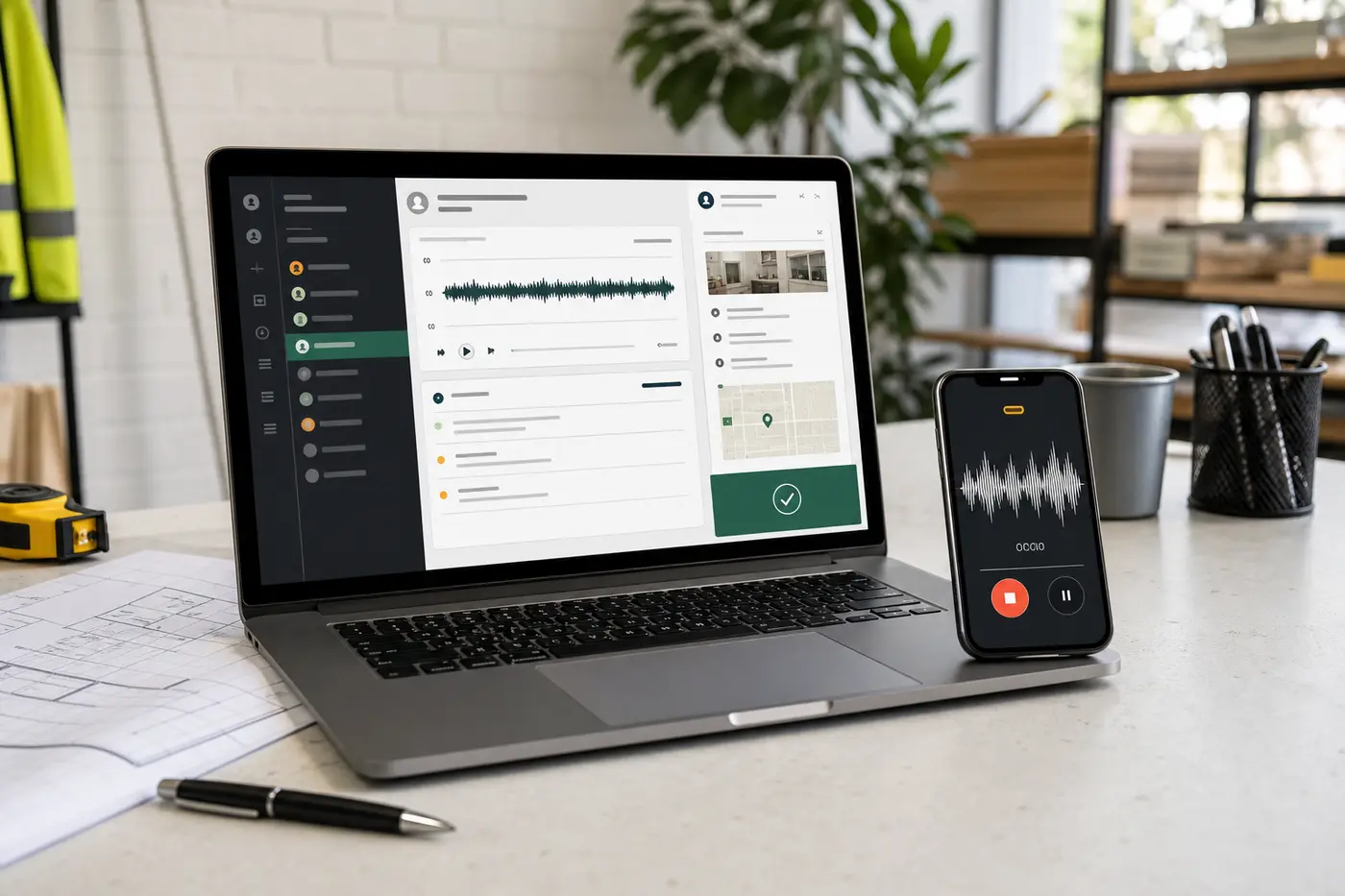
Calls and field work
A voice workflow can be added to a wider business solution without asking a new customer to understand several different products first.
Keep what works
We can investigate integrations with Xero, Stripe, Microsoft 365, Tradify, ServiceM8, Jira, Asana, booking platforms, job-management products, databases and reporting sources.
The goal is to reduce duplicate entry and create a clearer view across systems—not replace useful software for the sake of it.
Integration availability depends on the external product’s API, permissions and commercial terms.
The first proposal separates the smallest useful release from optional later stages. That keeps the business case clear and gives the team a chance to prove adoption before more is added.
Responsible delivery
Show us where calls, photos, bookings or job notes become repetitive admin. We will map one useful place to start.